Quick answer
Weightlifting shoes should be snug but not painful. Your heel shouldn’t move at all, your midfoot should feel locked in once the strap is on, and your toes should have enough room to spread without hitting the front. Numbness, tingling or toes curled against the end mean they’re too tight.
Lifting shoes are supposed to feel tighter than running shoes. That surprises a lot of people the first time they try a pair on, and it’s why so many end up sizing up when they shouldn’t. The goal is a foot that doesn’t move inside the shoe while you’re under load. Comfort for a walk around the block isn’t the test.
Rogue’s own fit guide puts it simply: snug but not painful, with zero internal movement, especially at the heel. That matches what lifters say on coaching forums like Barbell Medicine’s. Here’s how to check each part of the fit.
The 5-point fit check
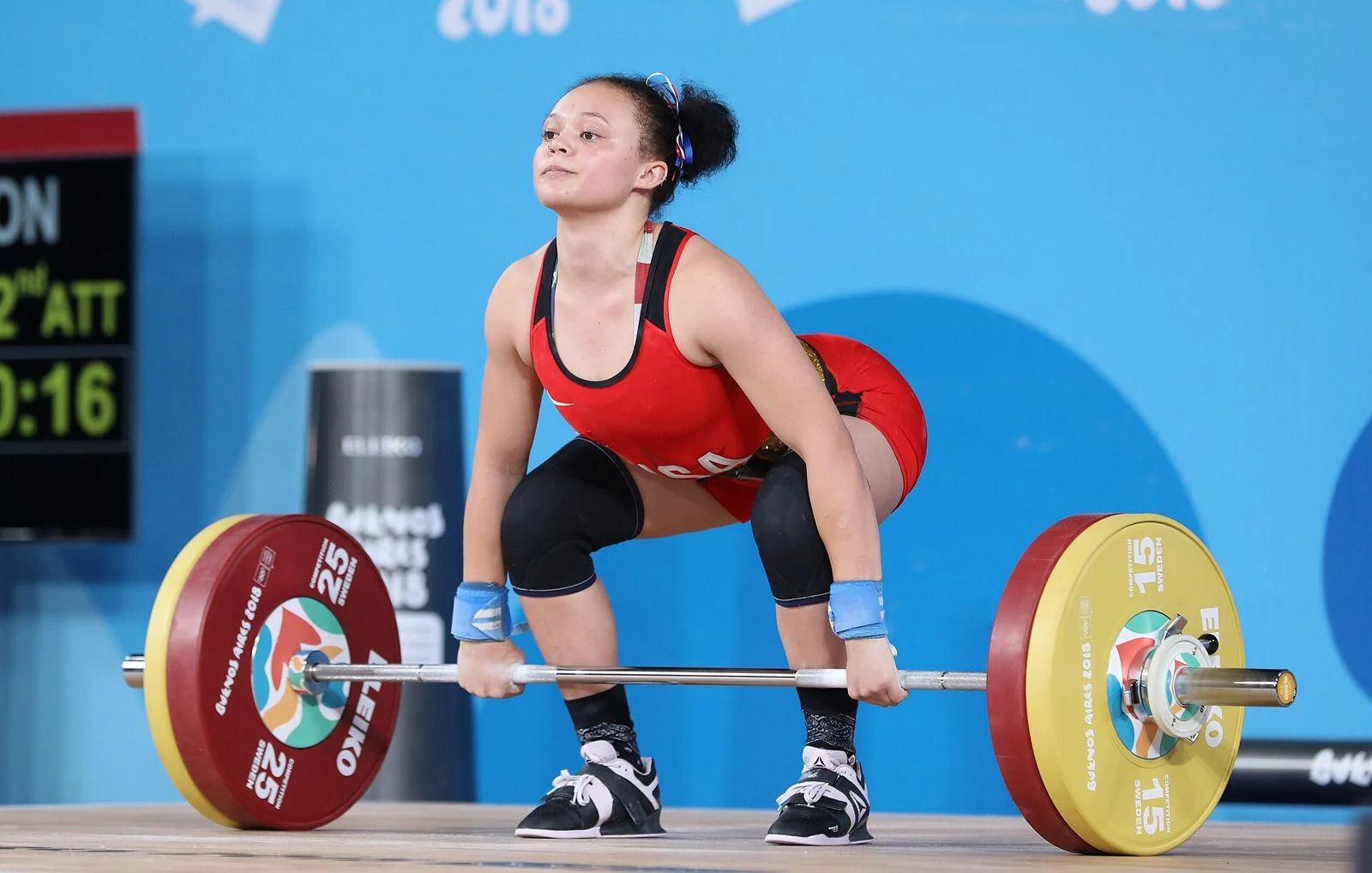
Do this with the socks you actually lift in, ideally later in the day when your feet are slightly bigger. Lace up, fasten the strap, and stand in your squat stance.
- Heel: rise onto your toes. Your heel shouldn’t lift out of the heel cup at all. Even a little slip gets worse under a heavy bar.
- Midfoot: with the strap fastened, your foot shouldn’t slide sideways when you push your knees out.
- Toes: you should be able to wiggle them and spread them a little. They can be close to the front, but not curled or jammed.
- Width: your little toe shouldn’t be pressed hard against the side or hanging over the edge of the insole.
- Pressure points: stand for a few minutes. Sharp pressure, numbness or tingling means the shoe is wrong, not that it needs breaking in.
How tight is too tight?
Tight is fine. Painful isn’t. If your toes go numb, your arches cramp, or you can’t spread your toes at all, the shoe is too small or too narrow for you. Lifting in it will make your balance worse, which defeats the point of buying lifters.
Overtightened laces and straps cause the same problem in a shoe that’s otherwise the right size. Snug the laces evenly, then use the strap to lock the midfoot. You shouldn’t need to crank the strap as hard as it goes.
Heel slip is the one thing you can't ignore
If one part of the fit has to be perfect, it’s the heel. A raised heel only helps if your foot stays on it. When your heel lifts, your weight shifts and the shoe stops feeling like a stable platform. Try tightening the laces and strap first. If the heel still slips, go down half a size or try a model with a narrower heel cup.
Should you size up or down?
Start with your normal sneaker size and adjust from there. Some popular lifters run small in practice:
- Nike Romaleos 4: length is mostly true to size, but the toe box is snug. In RunRepeat’s owner poll most people said it runs half a size small, and they suggest half a size up for wide feet.
- TYR L-2 Lifter: owners on Rogue commonly recommend going up half a size to a full size.
- Nike Savaleos: several buyers say it runs a little small, so check reviews for your size.
Half a size is usually as far as you should go. Going further to buy toe room mostly buys heel slip. If a shoe only fits your forefoot when it’s too long, pick a wider model instead, like the TYR L-1 from our best weightlifting shoes guide.
Do weightlifting shoes stretch?
A little. Lifters with leather uppers tend to soften and give slightly with use, and lifters on the Barbell Medicine forum describe new pairs loosening up over time. Synthetic uppers change less. What doesn’t change is length or the heel. So a shoe can be snug on day one, but it shouldn’t hurt on day one. Pain won’t break in.
Where to go next
Once you know how a lifter should fit, picking one gets a lot easier. Our best weightlifting shoes guide lists heel height and fit notes for every current model. If you’re new to all this, start with our budget lifter picks. And if your feet are on the narrow side, the lifting shoes for women guide covers the snugger fits.
FAQ
Are weightlifting shoes supposed to be tight?
Yes, snug. Your heel and midfoot shouldn’t move under load. They shouldn’t hurt, though, and your toes still need room to spread.
How much toe room should weightlifting shoes have?
Enough to wiggle and spread your toes without them touching the end of the shoe. Lifting shoes fit closer than running shoes, so you don’t need a lot of extra length.
Should I size up in weightlifting shoes?
Only if the specific model runs small, like the Romaleos 4 or TYR L-2 for many buyers. Half a size is usually the limit before your heel starts slipping.
Will tight weightlifting shoes stretch?
Leather uppers may soften and give a little over time, synthetic ones less. Length and heel fit don’t change, so a painful shoe won’t break in.