We may earn a commission when you buy through links on this page. As an Amazon Associate we earn from qualifying purchases. How we make money.
Quick answer
The best powerlifting shoes depend on how you squat. If you want one pair for all three lifts, get the Adidas Powerlift 5: a modest 15 mm heel, a stiff base and a fair price. Low-bar squatters are usually better off flat, in something like the Adidas The Total. High-bar squatters with stiff ankles should look at a taller lifter like the Reebok Legacy Lifter III, then pull in flats or slippers.
Here’s what bugs me about most powerlifting shoe lists. They review squat shoes, then deadlift shoes, and leave you to work out what to actually put on your feet for a whole session or a meet. Powerlifting is three lifts. The real question is whether one pair can cover all of them, and if not, which two.
I haven’t lifted in any of these. I’m new to barbell training, so this guide pulls together RunRepeat’s lab measurements, reviews from That Fit Friend and others, and the current IPF and USAPL rulebooks, which I read line by line for the footwear and bench rules. Where sources disagree, I give you the range.
One pair or two? Start with your squat
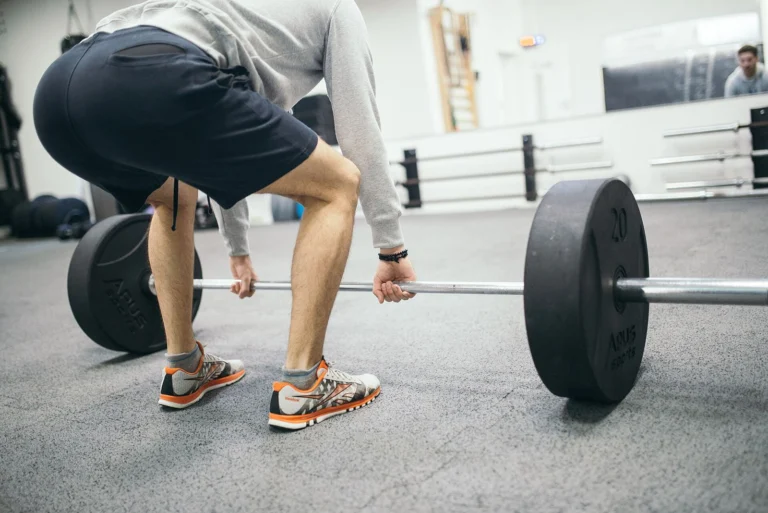
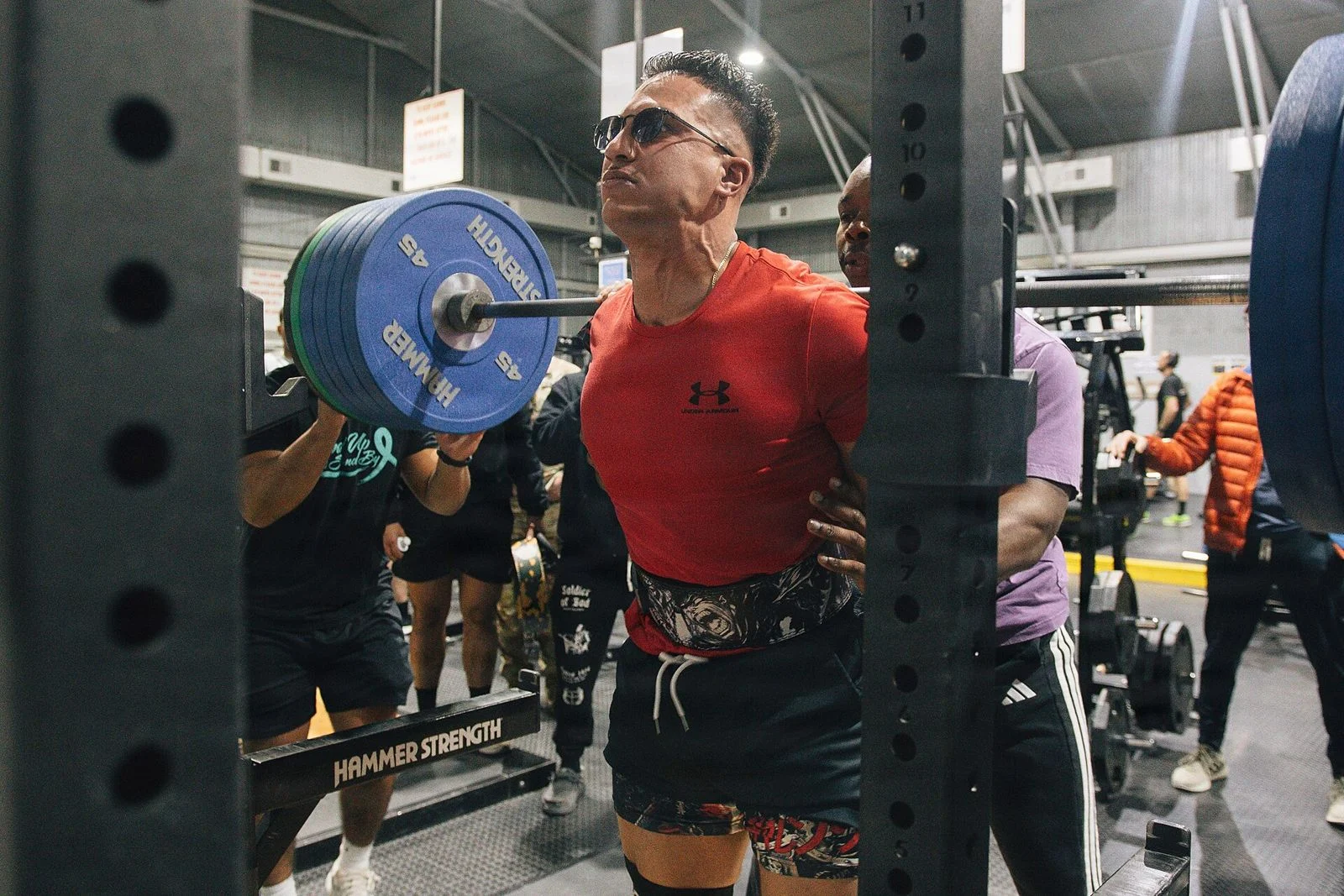
Your deadlift almost always wants a flat, thin sole. Your bench barely cares. So the squat decides everything.
- Low-bar, moderate to wide stance: go flat for everything. One pair, done. A flat shoe like The Total or plain Chucks covers all three lifts.
- High-bar or narrow stance, decent ankles: a 15 mm shoe like the Powerlift 5 for squat and bench. You can pull in it too, but most people pull better flat.
- High-bar with stiff ankles or long thighs: a 20 to 22 mm lifter for squats, plus a flat shoe or slipper for deadlifts. That’s the two-pair setup.
- Not sure yet? Buy one 15 mm shoe first. It’s the least risky guess, and you’ll learn quickly whether you want more heel or less.
A quick way to check: squat to depth with just your bodyweight, barefoot. If your heels lift or your chest folds forward, a heel will probably help. If you sit down comfortably with your feet flat, you may never need one. Our guide to the best shoes for squats goes deeper on heel height by squat style.
Our best powerlifting shoe picks
Best one-pair shoe
Adidas Powerlift 5
15 to 16 mm heel, stiff base, about $110 to $130. Narrow fit.
Best flat shoe
Adidas The Total
Zero drop with a strap. Low-bar squats, bench and deadlifts in one pair.
Best for high-bar
Reebok Legacy Lifter III
Tall, hard heel for lifters who need the most ankle help.
Powerlifting shoes compared
| Shoe | Heel height | Closure | Best for | Typical price |
|---|---|---|---|---|
| Adidas Powerlift 5 | 15–16 mm* | Laces + 1 strap | Beginners, powerlifting | $110–130 |
| Nike Savaleos | 15–15.5 mm* | Laces + 1 strap | Beginners, budget | $120–125 |
| Reebok Legacy Lifter III | 20.5–22 mm* | Laces + strap | Olympic lifts, tall lifters | ~$220 |
| Adidas The Total | 0 mm (0.00") | Laces + wide strap | Deadlifts, lifters who want one flat gym shoe | ~$120 |
| Converse Chuck Taylor All Star | 0 mm (0.00") | Laces | Deadlifts on a budget, low-bar squats | $60–70 |
| Notorious Lifters Gen 3 | 0 mm (0.00") | 2 straps (slipper) | Conventional deadlifts, meet day | ~$60 |
The best powerlifting shoes, reviewed
Best powerlifting shoe for most lifters
Adidas Powerlift 5
- Heel height15–16 mm
- Weight~14.4–15 oz (US 10; ThatFitFriend, RunRepeat lab)
- ClosureLaces + 1 strap
- FitNarrow toe box (RunRepeat 89.2 mm) and runs short; many owners size up half
- Best forBeginners, powerlifting
RunRepeat names the Powerlift 5 its best overall powerlifting shoe, and the reasons line up with what a powerlifter needs. Its lab gave it top marks for torsional rigidity and heel counter stiffness, and the outsole measured 5 mm thick against a 3.9 mm average. The heel is 15 to 16 mm depending on the source, enough to clean up a high-bar squat without feeling like a ramp. Flat and stable is also what you want under you on the bench.
Two things to know before you buy. The fit is narrow and short, so many owners go up half a size, and wide feet should look elsewhere. RunRepeat also scored the toe box and heel padding low for durability, and doesn’t recommend the shoe for loads much over about 350 lb. If you’re squatting more than that, this is a starter shoe, not a forever shoe. Our full Powerlift 5 review goes through the sizing in detail.
Pros
- Modest heel that suits all three lifts
- Very stiff, stable base
- Fair price for a heeled shoe
Cons
- Narrow, short fit
- Toe box and heel padding wear early
- Not built for very heavy squats
Powerlift 5 alternative
Nike Savaleos
- Heel height15–15.5 mm
- Weight~14.8 oz / 420 g (RunRepeat lab)
- ClosureLaces + 1 strap
- FitVery wide platform; sources split on the toe box (BarBend: roomy; RunRepeat gel mold: narrow, 89.4 mm). Runs about half a size small
- Best forBeginners, budget
Same idea, same price bracket: a 15 mm heel and a single strap. The Savaleos has a very wide platform, which some lifters find steadier. The catch is the sole. RunRepeat measured its platform at 36.5 HA, where typical lifters sit around 95 to 97 HA, so it’s far softer than anything else here. That’s fine for beginners and moderate weights. Once your squat gets heavy, the Powerlift 5’s firmer base makes more sense.
Pros
- Wide, planted platform
- Light, about 14.8 oz
Cons
- Much softer sole than other lifters
- Runs about half a size small
Best for high-bar squats
Reebok Legacy Lifter III
- Heel height20.5–22 mm
- Weight~22.1 oz / 627 g (RunRepeat lab)
- ClosureLaces + strap
- FitRoomy at the widest point (RunRepeat 94.8 mm) but tapers toward the toes; true to size
- Best forOlympic lifts, tall lifters
RunRepeat picks the Legacy Lifter III as its best powerlifting shoe for squats, and That Fit Friend makes it the top heeled shoe in its powerlifting roundup. The heel is the story. Reebok lists it at 22 mm, RunRepeat measured 20.5 mm of drop, and the lab found the TPU heel about 27% harder than the average weightlifting shoe. If you squat high-bar with a narrow stance and your ankles fight you at depth, that much hard heel is a real help.
Who should skip it? Low-bar squatters, for a start. A tall heel tips you forward when you’re trying to sit back. It’s also the heaviest shoe here at around 22 oz, it costs about $220, and you’ll want something flat for deadlifts anyway. So budget for two pairs if this is your squat shoe.
Pros
- Tall, very hard heel
- Locked-in upper with a strap
- Roomy at the widest point
Cons
- Wrong shoe for low-bar
- Heavy and expensive
- Needs a second pair for deadlifts
Best flat powerlifting shoe
Adidas The Total
- Heel height0 mm drop (RunRepeat measured about 12.5 mm of stack)
- ClosureLaces + wide strap
- FitRoomy toe box; a few owners find it too wide
- Best forDeadlifts, lifters who want one flat gym shoe
If you squat low-bar, this might be the only shoe you need. RunRepeat measured 0 mm of drop with about 12.5 mm of sole at both heel and forefoot, and rated it much firmer than average. It’s their best powerlifting shoe for deadlifts, and the same flat, firm sole works for a sit-back squat and a heels-down bench. A wide strap holds your midfoot in place, which matters more than you’d think when you’re pushing your knees out.
It’s a poor pick for high-bar squats, where you want the heel. A few owners also say it runs wide, so narrow feet may slide around. For deadlifts alone, a slipper is thinner still. Our deadlift shoe guide explains why every millimeter of sole adds to the pull.
Pros
- True zero drop
- Firm, stable sole
- Covers all three lifts for low-bar squatters
Cons
- No heel for high-bar
- Can feel loose on narrow feet
Best budget pick
Converse Chuck Taylor All Star
- Heel heightFlat, near-zero drop
- ClosureLaces
- FitNarrow midfoot
- Best forDeadlifts on a budget, low-bar squats
Chucks are what a lot of powerlifters wore before anyone made shoes for them, and they still work. Flat rubber sole, no squish, around $60 to $70. That’s a one-pair setup for a low-bar lifter on a budget. The canvas wears out, the midfoot is narrow, and there’s no strap, so I’d treat them as a first pair rather than a meet shoe you’ll keep for years.
Pros
- Cheap and everywhere
- Flat, firm sole
Cons
- Narrow midfoot
- Canvas upper wears fast
Best second pair for deadlifts
Notorious Lifters Gen 3
- Heel heightFlat; 3.8 mm sole
- Closure2 straps (slipper)
- FitStandard D-width toe box; true to size, size up for wide feet
- Best forConventional deadlifts, meet day
This is the other half of a two-pair setup. Notorious lists the sole at 3.8 mm and the price at about $60, so it’s cheap insurance for meet day. Pull in a slipper instead of a 15 mm squat shoe and the bar has a lot less distance to travel. It’s a slipper, though, with no side support, so sumo pullers should look at the brand’s wider Sumo Sole instead. The toe box is a standard D width, and the brand suggests sizing up for wide feet.
Pros
- Very thin, flat sole
- Inexpensive
Cons
- Deadlift-only, really
- Little side support for sumo
What about bench press shoes?
Almost every guide skips this, so I went to the rulebooks. Both the IPF and USAPL say your feet must stay flat on the floor during the bench, “as flat as the shape of the shoe will allow” in the IPF wording. That last part matters. The rule measures flatness against your shoe, not against the floor.
So what does that mean for you? If you bench with your heels planted out in front, any flat, grippy shoe works, and the one you squat in is fine. If you like your feet pulled back under the bench for leg drive, a heeled shoe lets you get them further back while the soles still sit flat. My reading is that this is why you’ll see some lifters bench in weightlifting shoes. I’m not a referee, so ask the head ref at your meet if your setup is borderline.
Grip matters more than heel height here. Your feet shouldn’t slide when you drive. Any shoe on this list grips well enough. Worn-out running shoes are the usual problem.
Powerlifting shoe rules (IPF and USAPL)
Every shoe on this page is legal. The IPF rulebook allows indoor sports shoes, weightlifting or powerlifting boots and deadlift slippers. The USAPL rulebook (version 2026.2) says the same in its own words and adds a list of what’s banned: dress shoes, hiking boots, sandals, cleats, Crocs, water socks, and socks with a rubber sole. It also says multi-toed shoes like Vibram FiveFingers are fine.
- Heel or underside: 5 cm maximum. The tallest lifter here is about 22 mm, so you’re nowhere close.
- Sole: flat, and not altered from how the manufacturer made it.
- Loose insoles or orthotics: 1 cm maximum.
- Socks for the deadlift: shin length, covering the shins. USAPL spells out that they must reach to just below the knee.
Nothing in either rulebook stops you from changing shoes between lifts, and plenty of lifters do. For the full breakdown, including heel wedges and sticky soles, see are squat shoes allowed in powerlifting.
How to choose
- First pair, any squat style: Adidas Powerlift 5.
- Low-bar squatter who wants one pair for everything: Adidas The Total.
- Low-bar on a tight budget: Converse Chuck Taylors.
- High-bar with stiff ankles: Reebok Legacy Lifter III, plus a flat shoe for pulls.
- Competing and want the shortest deadlift: add a pair of Notorious Lifters Gen 3.
Wide feet change the picture a bit, because the Powerlift 5 runs narrow. Our wide feet guide covers roomier heeled options. And whatever you pick, train in it for a few weeks before a meet. Meet day is a bad day to find out a strap rubs.
Our verdict
Buy the Powerlift 5 first. Add a flat pair when you know your squat.
For a first powerlifting shoe, the Adidas Powerlift 5 covers squat, bench and deadlift well enough, and it’s priced like a first shoe. Low-bar squatters can skip the heel entirely and get The Total. Once your squat style settles and the weights climb, most lifters end up with two pairs: a heeled or flat shoe for squat and bench, and something thin for the deadlift.
FAQ
Do you need special shoes for powerlifting?
No, but you need flat, firm, closed-toe ones. Federations require shoes on the platform, and soft running shoes are the worst common choice. Chucks are enough to start; a dedicated shoe helps once the weights get heavy.
Should powerlifting shoes have a heel?
Only if your squat needs one. High-bar and narrow-stance squatters usually benefit from 15 to 22 mm of heel. Low-bar squatters with a wider stance often do better flat, and almost everyone deadlifts better flat.
Are squat shoes good for powerlifting?
Yes, for the squat and usually the bench. A 15 mm shoe like the Adidas Powerlift 5 is the common middle ground. For deadlifts, most lifters change into a flat shoe or slipper because a heel adds distance to the pull.
Can you wear the same shoes for squat, bench and deadlift?
You can, and low-bar squatters in flat shoes often do. If you squat in a tall heel, a second flat pair for deadlifts usually pays off. Both the IPF and USAPL let you change shoes between lifts.
What shoes are banned in powerlifting?
Under USAPL rules: dress shoes, hiking boots, sandals, cleats, Crocs, water socks and socks with a rubber sole. The IPF also excludes hiking boots and rubber-soled socks, and both cap the underside at 5 cm.
Sources
- RunRepeat: best powerlifting shoes (lab data, updated March 2026)
- IPF Technical Rules Book 2024 (shoes, socks, bench press rules)
- USAPL Rulebook v2026.2 (sections 3.9, 3.10 and 4.3)
- That Fit Friend: best shoes for powerlifting
- Adidas Powerlift 5 specs: fitnessvolt.com, mensjournal.com, runrepeat.com, thatfitfriend.com
- Adidas The Total specs: runrepeat.com, adidas.com, thatfitfriend.com
- Reebok Legacy Lifter III specs: thatfitfriend.com, runrepeat.com, runrepeat.com
- Nike Savaleos specs: garagegymreviews.com, runrepeat.com, runrepeat.com, barbend.com
- Converse Chuck Taylor All Star specs: garagegymreviews.com, garagegymreviews.com, journeys.com
- Notorious Lifters Gen 3 specs: notorious-lift.com, notorious-lift.com