We may earn a commission when you buy through links on this page. As an Amazon Associate we earn from qualifying purchases. How we make money.
Quick answer
Deadlift slippers vs shoes comes down to your stance and whether you compete. Slippers give you the thinnest legal sole and the shortest pull, so they’re the pick for conventional pullers and meet day. Flat deadlift shoes trade a few millimeters for side support, which sumo pullers and anyone squatting in the same pair will want. Socks are fine for home training, but you can’t compete in them.
Most pages on this topic list the same pros and cons and stop there. I wanted two answers they skip: how much a thinner sole actually changes the lift, measured rather than guessed, and what the rulebooks really say about socks. Both turned out to be more useful than I expected.
Quick note on where this comes from. I haven’t pulled in any of these, and I’m new to barbell training myself. What follows is from two published studies, the current IPF and USAPL rulebooks, manufacturer specs and independent reviews.
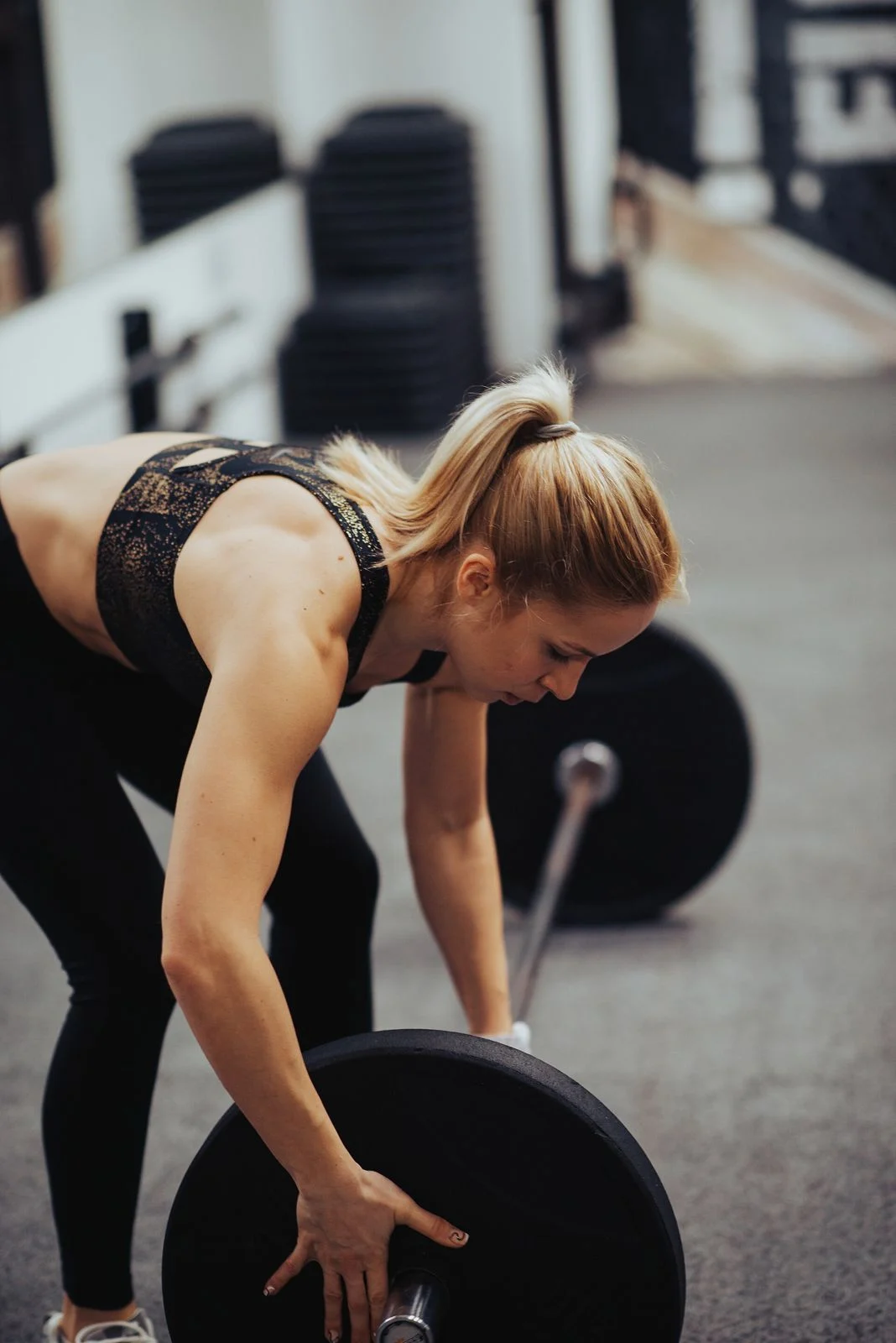
Deadlift slippers vs shoes vs socks at a glance
- Deadlift slippers: about 3.8 mm of flat sole, two straps, roughly $60 to $80. Legal in the IPF and USAPL. Little side support, and they’re only good for a few lifts.
- Flat deadlift shoes: around 1 to 12.5 mm of sole with laces and often a strap, around $120. Legal in both federations. More structure for sumo, and you can squat or bench in them too.
- Socks: no sole at all and free. Not legal as your only footwear at IPF or USAPL meets, slippery on smooth floors, and plenty of gyms won’t allow them.
- Barefoot: same distance as socks and no fabric to slide on, but again not meet-legal, and many gyms ban it.
| Shoe | Heel height | Closure | Best for | Typical price |
|---|---|---|---|---|
| Notorious Lifters Gen 3 | 0 mm (0.00") | 2 straps (slipper) | Conventional deadlifts, meet day | ~$60 |
| Notorious Lift Sumo Sole Gen 5 | 0 mm (0.00") | 2 straps (slipper) | Sumo deadlifts, wide feet | ~$80 |
| SABO Deadlift Pro | 1 mm (0.04") | Laces + wide hook-and-loop strap | Competition deadlifts, sumo deadlifts | — |
| Adidas The Total | 0 mm (0.00") | Laces + wide strap | Deadlifts, lifters who want one flat gym shoe | ~$120 |
| Converse Chuck Taylor All Star | 0 mm (0.00") | Laces | Deadlifts on a budget, low-bar squats | $60–70 |
How much does sole thickness change your deadlift?
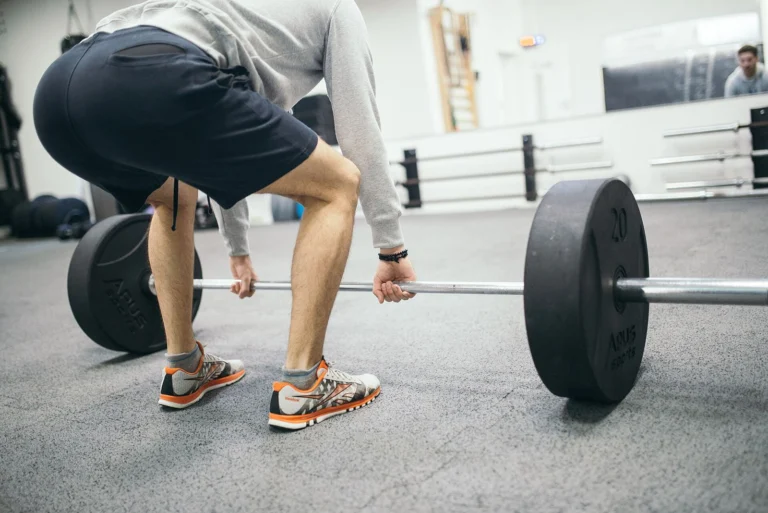
The idea behind slippers is simple. The plates sit on the floor, so the bar always starts at the same height. Your lockout doesn’t. A thicker sole lifts your whole body, so your hands finish higher and the bar travels further. In a flat shoe, the extra distance is about the thickness of the sole.
That’s the theory. It turns out someone measured it. A 2021 study in the journal Sports (Valenzuela and colleagues) had 30 lifters with at least six months of regular deadlift training pull conventional and sumo at 70% of their max, once barefoot and once in running shoes with a 29 mm heel. In shoes, the bar traveled about 3 cm further on average (0.52 m vs 0.49 m), and the lifters did about 4% more work per rep. Peak force and peak bar speed didn’t change.
So the extra distance lined up almost exactly with the heel height of the shoes. That’s a nice confirmation of the simple rule: thinner sole, shorter pull, by roughly the difference in thickness.
Now put real deadlift footwear into that rule. A 3.8 mm slipper versus the roughly 12.5 mm sole RunRepeat measured on the Adidas The Total is a gap of about 9 mm. Against the pull lengths in that study, that’s under 2% of the distance. That’s my own arithmetic, not a measured result, but it tells you the scale. Switching from running shoes to anything flat is the big win. Slipper versus flat shoe is a small one.
Small isn’t nothing, though. If you’re grinding a max at a meet, 9 mm less of the slowest part of the lift might be the difference. If you’re pulling sets of five on a Tuesday, it won’t matter.
What about barefoot making you stronger? The evidence is thin. A 2018 study in the Journal of Strength and Conditioning Research (Hammer and colleagues, 10 men at 60% and 80% of max) found that shoes made no difference to most force and power measures. The authors called the support for barefoot deadlifting “only limited.” The 2021 study’s authors reached a similar place: less distance, but no extra force or speed. Going barefoot shortens the lift. It doesn’t seem to do anything else.
Are deadlift slippers worth it?
For conventional pullers who compete, yes, and they’re cheap. The Notorious Lifters Gen 3 lists at about $60 with a 3.8 mm flat sole and two straps across the midfoot. That’s as close to socks as the rules allow.
For sumo, a plain slipper has a weak spot. Your feet push outward against the floor, and a soft upper with no sidewall can roll or fold. That Fit Friend points out that a loose slipper upper can fold during sumo pulls, so fit matters more than usual. Notorious makes a wider model for this, the Sumo Sole Gen 5: same 3.8 mm stack, a Wide EE toe box, a reinforced heel counter and wider side coverage, at about $80.
Who should skip slippers? Anyone who wants one pair for the whole session. They’re thin and flexible, which is great for pulling and not much else. That Fit Friend also notes they tend to wear out sooner than real shoes, which makes sense given how little material there is.
When a flat deadlift shoe is the better buy
A proper flat shoe makes sense in three situations. You pull sumo and want a sidewall that won’t roll. You want to squat low-bar and bench in the same shoe. Or your gym has a shoes-on rule and you’d like something that looks like a shoe.
The SABO Deadlift Pro is the in-between option. Retailers list a 2 to 5 mm sole with about 1 mm of drop, so it’s nearly as low as a slipper, but it adds laces, a wide strap and reinforced sides. It’s harder to buy in the US and uses EU sizing. The Adidas The Total is easier to find, with a true zero drop and a wide strap, at the cost of a thicker sole. Plain Converse Chucks still work if the budget is tight; they’re flat and firm, just narrow through the midfoot. Our best deadlift shoes guide covers all of these in more detail.
Deadlift shoes vs socks (and barefoot)
At home, pulling in socks or barefoot is fine if your floor is clean and you’re careful with plates. It’s free and it’s the shortest pull you can get. The downsides are practical. Socks slide on smooth floors, which hurts sumo pullers most. Bare feet are exposed if you drop a plate while loading. And many commercial gyms simply don’t allow either.
At a meet, socks are out as your only footwear. The IPF rulebook opens its footwear rule with “Shoes or boots shall be worn,” and both the IPF and USAPL ban socks with a rubber sole, so grippy yoga socks don’t get you around it. USAPL also bans water or aqua socks by name. Our page on whether squat shoes are allowed in powerlifting goes through the rest of the footwear rule.
Here’s the part a lot of people miss. Socks aren’t optional at a meet either. Both rulebooks say shin-length socks must be worn during the deadlift to protect your shins, and USAPL defines that as covering the whole shin to just below the knee. So meet day is socks plus footwear, every time. Those tall “deadlift socks” exist for this rule, not for grip.
Which should you pick?
- You compete and pull conventional: Notorious Lifters Gen 3, plus shin-length socks.
- You compete and pull sumo: Notorious Sumo Sole Gen 5, or the SABO Deadlift Pro if you want laces and stiffer sides.
- You want one flat shoe for deadlifts, low-bar squats and bench: Adidas The Total.
- You’re new and on a budget: Converse Chucks, or socks at home.
- You train in a gym that bans socks: any of the above, but don’t pull in running shoes.
If you squat in heeled lifters, I’d still change into one of these for the deadlift. The heel adds height and pushes your weight forward. For heel heights by squat style, see the best shoes for squats.
Our verdict
Slippers for meets, flat shoes for everything else
If you compete, a $60 pair of deadlift slippers is the cheapest way to shave distance off your pull, and the sumo version fixes the side-support problem. If you want one shoe for training, a flat deadlift shoe gives up a few millimeters and gives you much more structure. Socks are a fine home habit, but they won’t get you onto a platform.
FAQ
Are deadlift slippers worth it?
Yes, if you compete or chase max pulls. A 3.8 mm slipper is about as thin as legal footwear gets, and it costs less than most shoes. For regular training, the difference from a flat shoe is under a centimeter, so it matters much less.
Is it better to deadlift in socks or shoes?
Socks give a shorter pull, but flat shoes are usually the better choice. Socks slide on smooth floors and aren’t allowed at IPF or USAPL meets. Studies found barefoot lifting shortens the bar path but doesn’t add force or speed.
Is deadlifting barefoot better than shoes?
Only in the sense that the bar travels less far. A 2021 study found about 3 cm less bar travel barefoot than in running shoes, with no change in peak force or bar speed. Against a thin flat shoe, the gap is much smaller.
Can you deadlift in socks at a powerlifting meet?
No. The IPF and USAPL both require shoes, boots or deadlift slippers and ban socks with rubber soles. You do have to wear shin-length socks under your footwear for the deadlift.
Are deadlift slippers good for sumo?
Standard slippers can roll or fold under sumo pressure. Look for a sumo-specific slipper with wider side coverage, like the Notorious Sumo Sole Gen 5, or a laced shoe like the SABO Deadlift Pro.
Sources
- Valenzuela et al. (2021), Footwear Affects Conventional and Sumo Deadlift Performance, Sports
- Hammer et al. (2018), Shod vs. barefoot effects on force and power development during a conventional deadlift, J Strength Cond Res
- IPF Technical Rules Book 2024 (shoes and socks)
- USAPL Rulebook v2026.2 (sections 3.9 and 3.10)
- That Fit Friend: deadlift slipper benefits and drawbacks
- Notorious Lifters Gen 3 specs: notorious-lift.com, notorious-lift.com
- Notorious Lift Sumo Sole Gen 5 specs: notorious-lift.com
- SABO Deadlift Pro specs: mbcpower.jp, torokhtiy.com, walmart.com, thatfitfriend.com
- Adidas The Total specs: runrepeat.com, adidas.com, thatfitfriend.com
- Converse Chuck Taylor All Star specs: garagegymreviews.com, garagegymreviews.com, journeys.com