Quick answer
No, squat shoes aren’t cheating. The IPF allows weightlifting and powerlifting boots even in its raw (Classic) division, and the IWF requires weightlifters to wear sport footwear. Squat shoes don’t add force the way knee wraps or a squat suit do. They change your position: your knees travel further forward, your ankles bend less and, for some lifters, the torso stays more upright. The fair criticism is narrower: a heel can hide stiff ankles, and a squat in heels isn’t quite the same lift as one in flats.
Someone at your gym has probably said it. You lace up a pair of lifters, squat a bit deeper and a bit more upright than last week, and a guy in Converse calls it a crutch. I’m new to lifting myself, so I wanted a real answer instead of a forum argument. I went to the rulebooks first, then to the studies that actually measured what these shoes do.
Short version: by any rule that exists, they’re legal. By the logic of what counts as equipment in powerlifting, they’re on the raw side of the line. And the research shows they change how you squat, which is a different thing from doing the work for you.
What would make a shoe cheating?
Two things, as far as I can see. Either it breaks the rules of the sport you’re competing in, or it adds force you didn’t produce. The first is easy to check. The second is the more interesting question, and powerlifting has already drawn that line for us.
Are squat shoes cheating under the rules?
In IPF powerlifting, shoes are required. The 2024 Technical Rules Book opens its footwear section with “Shoes or boots shall be worn” and then lists weightlifting and powerlifting boots among the allowed types. The limits are about the sole: nothing on the underside higher than 5 cm, a flat underside, and loose insoles no thicker than 1 cm. Our post on whether squat shoes are allowed in powerlifting goes through every line of that rule.
The important detail for the cheating debate is where that rule appears. The same shoe rule is in the IPF’s section for Classic powerlifting, which the rulebook labels raw or unequipped. So a lifter in squat shoes is lifting raw, by the federation’s own definition.
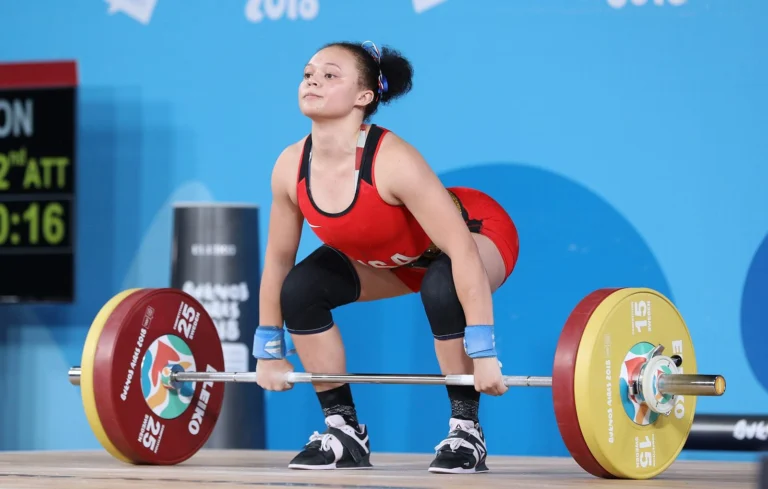
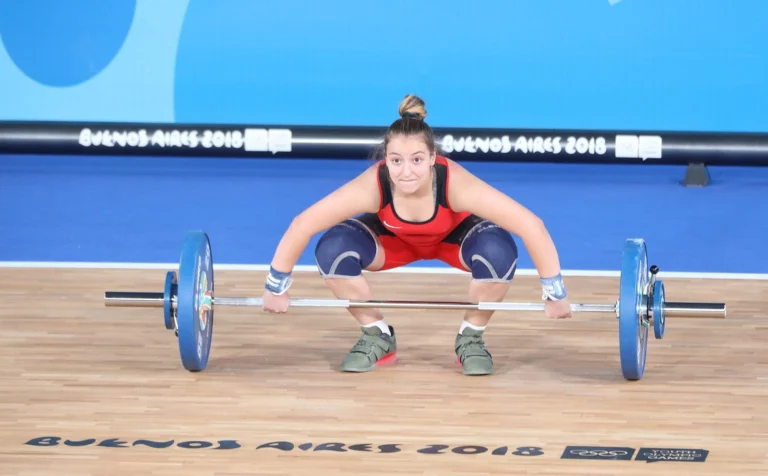
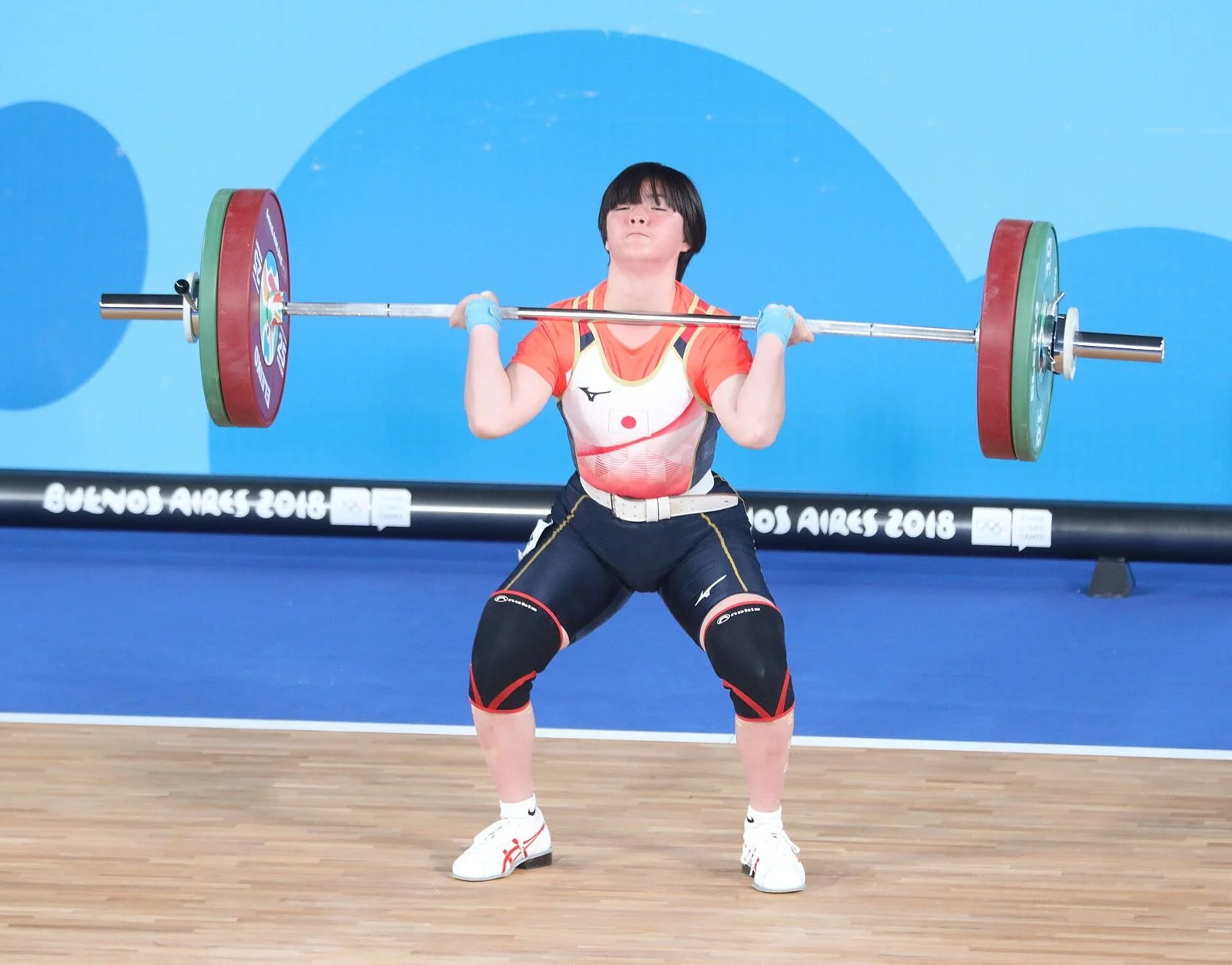
Weightlifting goes further. Section 4.3 of the IWF’s 2020 rules is one line long: athletes must wear sport footwear. There’s no heel limit in it at all. Watch any weightlifting meet and nearly everyone on the platform is in heeled lifters.
And the squat standard doesn’t change with your shoes. An IPF squat counts when the top of your thigh at the hip joint drops below the top of your knee. A heel might make that depth easier to reach, but the referee is judging the same position either way.
Shoes vs real equipment: the rebound test
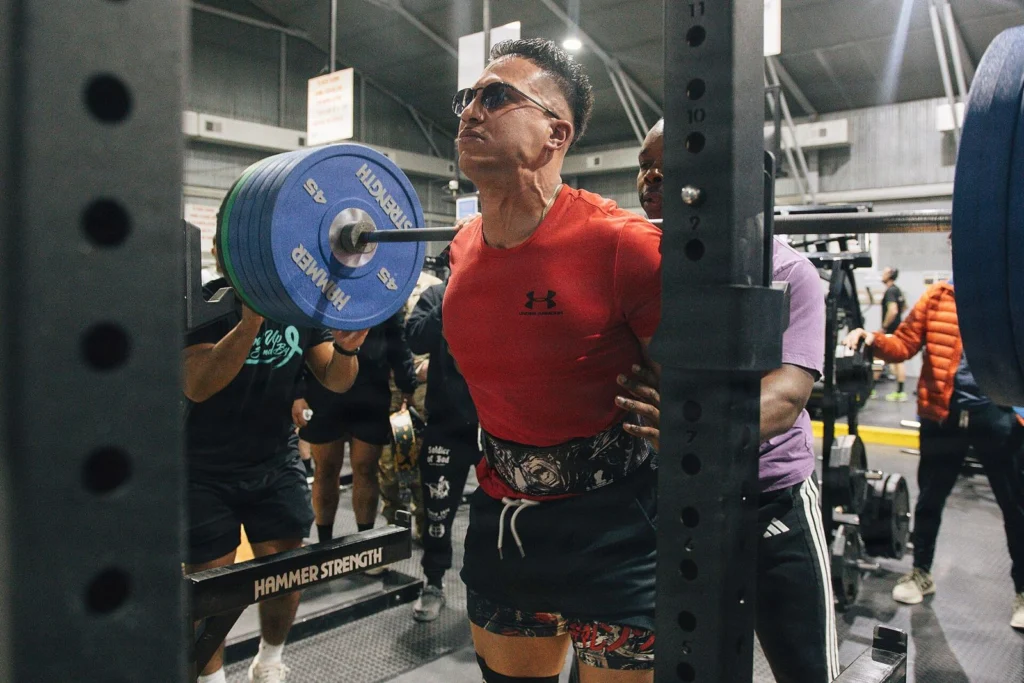
Powerlifting splits lifters into raw and equipped for a reason. Knee wraps and squat suits are tight and elastic. You stretch them on the way down and they help push you back up, so part of the lift comes from the gear. The IPF only allows knee wraps in Equipped meets. Knee sleeves are allowed in Classic, but the rulebook says their construction can’t give “any appreciable support or rebound” to the knees.
That’s a useful test for shoes. A lifting shoe’s heel is meant to be hard. On a good one it barely compresses, so there’s nothing to stretch and nothing to spring back. It’s a wedge, not a spring. If anything, the soft running shoe is the one storing energy, and it gives that energy back unevenly, which is why people wobble in them.
What the research says squat shoes change
The best-known study is Legg and colleagues (2016, Journal of Sports Sciences). Thirty-two people back squatted in lifting shoes and in regular athletic shoes; the experienced group used 75% of their max. In lifting shoes, people bent less at the ankle and more at the knee, loaded and unloaded. A more upright trunk only showed up without weight, and experienced squatters made more use of the shoes than novices did.
An earlier conference study by Fortenbaugh, Sato and Hitt (ISBS 2010) had 20 men squat at 60% of max in running shoes and lifting shoes. Most measurements were similar. The bar and hips moved less in the lifting shoes, which the authors read as a slightly more upright posture.
A 2022 study in Human Movement by Monteiro and colleagues used heel wedges instead of shoes. Fifteen experienced lifters squatted barefoot, on 25 mm wedges and on 50 mm wedges. Each step up in height gave a more upright trunk and more knee bend. The authors suggested wedges as a cheap way to improve back squat technique.
Then there’s the dissent. Lee and colleagues at UNLV (2019, Journal of Strength and Conditioning Research) had 14 recreational lifters squat at about 80% of max barefoot, on a slanted board and in heeled shoes. Trunk and knee motion barely changed. Their take was that the shoes probably don’t do much for the average recreational lifter, though they may help people with very limited ankle range.
Notice what none of these studies measured: whether lifting shoes add pounds to your max. I looked and couldn’t find a study that did. So the claim that shoes give you free kilos isn’t proven. What is reasonably well shown is that they shift where the bending happens, from ankle to knee. Some lifters can use that to squat deeper and stay more upright. Others barely change.
The fair part of the criticism
I don’t think the crutch argument is all wrong. It’s just aimed at the wrong thing.
A heel can hide stiff ankles. If you can only hit depth in lifters, your ankle range is limiting your flat-footed squat, and the shoe is working around it. That’s fine for a squat session. It’s worth knowing if you also play sports, hike or do other training where your ankles need that range and there’s no heel to help.
Comparing numbers is also a bit apples and oranges. A high-bar squat in 20 mm heels and a low-bar squat in flats use your hips and knees differently. Neither is the real squat. They’re just different, so compare your numbers with yourself in the same setup.
And some lifters gain nothing. Low-bar squatters who sit back into their hips often prefer flats, because a tall heel tips them forward. Our squat shoe guide covers which heel height suits which style, and the powerlifting shoe guide explains why many lifters bring two pairs to a meet.
What about deadlift slippers and plates under your heels?
Same answer. Deadlift slippers are named in the IPF’s list of legal footwear. They shorten the pull a little because your feet sit lower, which is an advantage, but a legal one, and everyone at the meet can wear them. Our comparison of deadlift slippers vs shoes weighs up when they’re worth it.
Plates or a wedge under your heels in training aren’t cheating either; the Monteiro study used exactly that. Just don’t plan on them at a meet. A loose insert counts as an insole under IPF rules, and anything thicker than 1 cm is out. If a heel helps you, buy a shoe with one built in. Our best weightlifting shoes list is a good place to start, and our budget lifting shoe picks cover the cheaper end.
FAQ
Are weightlifting shoes cheating?
No. The IWF rules require weightlifters to wear sport footwear and set no heel limit, so heeled lifters are standard equipment in the sport.
Do squat shoes count as raw lifting?
Yes. The IPF’s rules for Classic (raw) powerlifting allow weightlifting and powerlifting boots, as long as the sole is flat and no part of the underside is higher than 5 cm.
Do squat shoes make you lift more weight?
Nobody has shown that directly. Studies show they shift bending from the ankle to the knee and can help some lifters stay upright, but none measured a change in one-rep max.
Is squatting with plates under your heels cheating?
Not in training. A 2022 study found heel wedges gave a more upright squat, but loose inserts over 1 cm thick aren’t legal in IPF competition.
Are knee sleeves or knee wraps more like cheating than shoes?
Wraps are closer to it, which is why the IPF only allows them in Equipped meets. Sleeves are allowed in raw lifting because they can’t give appreciable rebound, and shoes are allowed in both.
Sources
- IPF Technical Rules Book 2024 (shoes, knee sleeves, knee wraps, squat depth)
- IWF Technical and Competition Rules & Regulations 2020 (4.3 Footwear)
- Legg et al. (2016), The effect of weightlifting shoes on the kinetics and kinematics of the back squat, Journal of Sports Sciences (author post-print)
- Fortenbaugh, Sato and Hitt (2010), The effects of weightlifting shoes on squat kinematics, ISBS conference proceedings
- Monteiro et al. (2022), Comparing the kinematics of back squats performed with different heel elevations, Human Movement
- UNLV: student research study challenges weightlifting shoe claim (Lee et al., 2019, JSCR)