Quick answer
Most people don’t need weightlifting shoes, at least not yet. You’ll get real value from a pair if you train the snatch or clean & jerk, if you high-bar or front squat and can’t reach depth without your heels lifting, or if you squat heavy in soft running shoes. Before buying, squat with small plates under your heels: if that fixes your depth and balance, a $100 to $125 pair is worth it.
I asked myself this exact question when I started lifting, and most answers online were either “yes, buy these” from a store or “no, real lifters go barefoot” from a forum. Neither is useful. So I went through what the studies actually measured, what coaches recommend, and what lifting shoes cost now. Short version: they’re a tool for specific lifts, and you can find out whether you’re one of the people they help without spending a cent.
What weightlifting shoes actually do
A weightlifting shoe does two things. It raises your heel, usually by 15 to 22 mm, and it puts a hard, flat sole under you that doesn’t squash when the bar gets heavy. Most add a strap over the midfoot so your foot doesn’t shift inside the shoe.
The heel is the part people care about. With your heel raised, your shin can tilt forward further before your ankle runs out of bend. That lets your knees travel forward, so you can sit deeper and keep your chest more upright. The hard sole matters too, though less dramatically. Running shoes are built to compress, and squatting on foam is a bit like squatting on a mattress: your foot rocks and some of your push goes into the cushion.
What the shoes don’t do is make you stronger, fix bad technique, or protect your back on their own. The research on that last point is worth a look.
Do weightlifting shoes make a difference? What studies found
The most cited study is Legg and colleagues (2016, Journal of Sports Sciences). They had 32 people back squat in weightlifting shoes and in regular athletic shoes, with motion capture and a force plate. In the lifting shoes, people bent less at the ankle and more at the knee, with and without weight on the bar. The more upright trunk only showed up in the unloaded squats, though, and the experienced squatters made more use of the shoes than the novices did.
A smaller UNLV study by Lee and colleagues (2019, Journal of Strength and Conditioning Research) went the other way. Fourteen recreational lifters squatted at about 80% of their max barefoot, barefoot on a slanted board, and in heel-raised lifting shoes. Trunk angle, knee movement and back and thigh muscle activity didn’t change in any meaningful way. The researchers concluded the shoes are unlikely to give recreational lifters much back protection, though lead author Szu-Ping Lee said they could help “a very small set of individuals who have an especially low range of ankle motion.”
Put together, I read it like this. Lifting shoes reliably shift the work from your ankles to your knees. Whether that turns into a better squat depends on your ankles and your experience. If you already squat deep with a flat back, the shoe has less to fix. Fourteen and thirty-two people are small samples, so don’t treat either study as the final word.
The 5-minute test: do you need weightlifting shoes?
You can answer this at the gym today. Science for Sport suggests small plates under the heels as a stand-in for a lifting shoe, and that’s the whole trick.
- Warm up, then do 5 bodyweight squats as deep as you can in flat shoes or socks, hands out in front. Film it from the side if you can.
- Watch for three things: heels peeling up, your chest folding toward your knees, or falling backward at the bottom.
- Put a 2.5 kg or 5 lb plate under each heel and repeat the same 5 squats.
- Then try an empty bar front squat both ways, since front squats expose ankle limits faster than back squats.
- Compare the clips. If the plates clearly let you sit deeper, stay upright and keep your balance, a heel helps you. If both versions look the same, it doesn’t, at least not yet.
Don’t load up heavy on plates under your heels. They slide, and they’re too narrow to stand on safely under a big weight. This is a test, not a training setup.
Who needs them and who doesn't
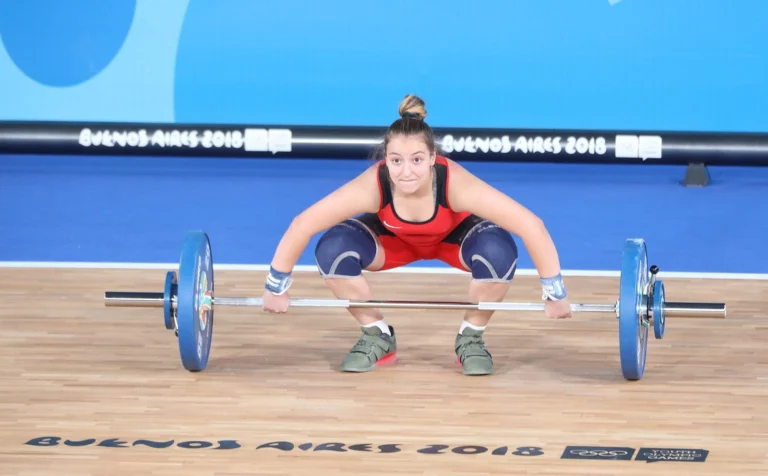
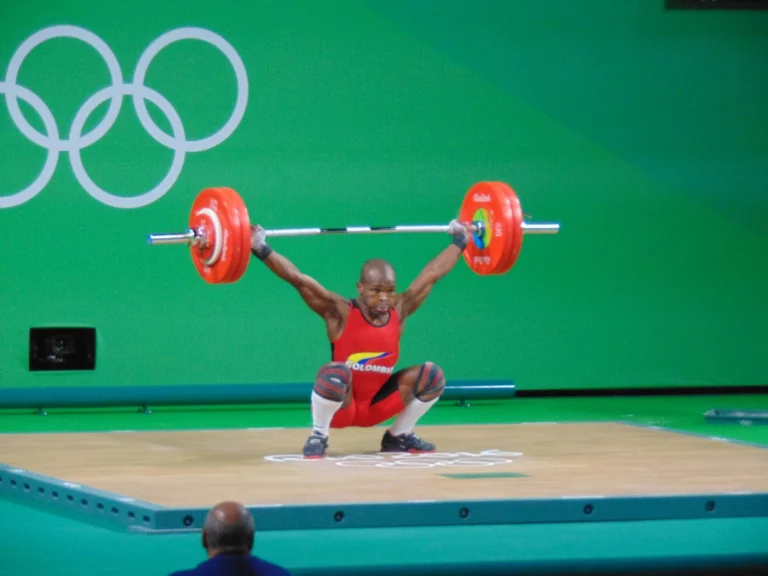
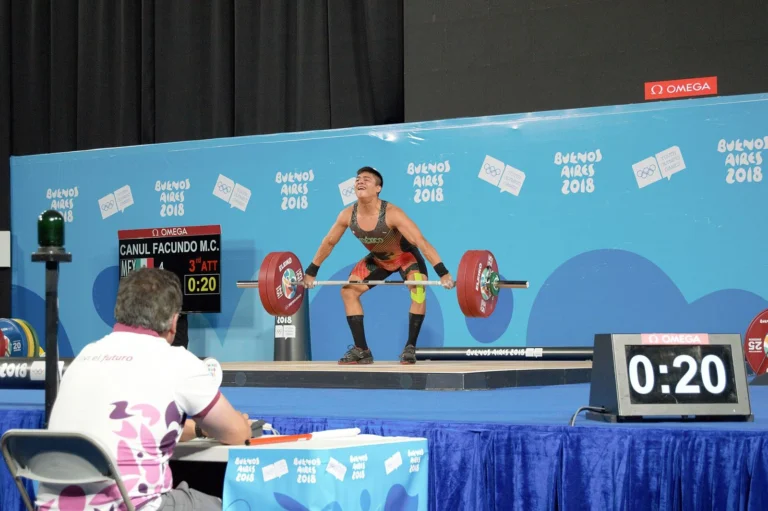
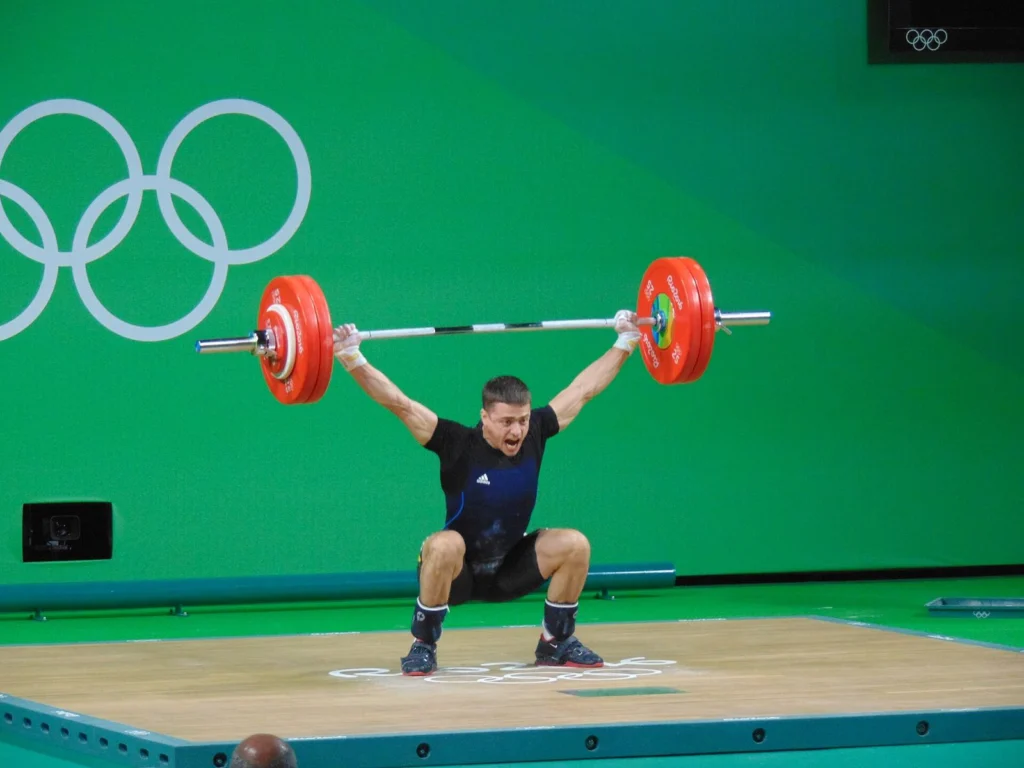
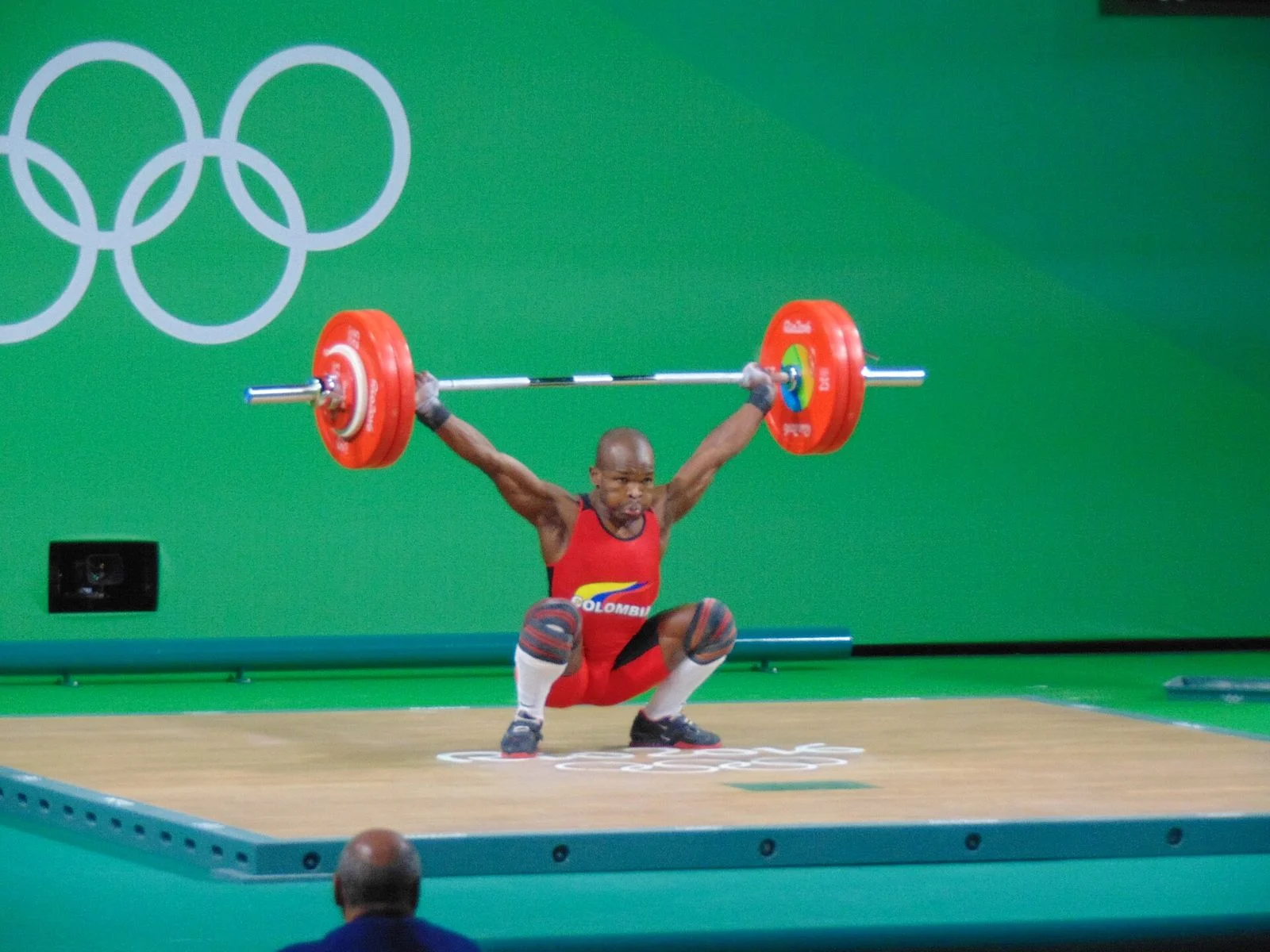
Olympic weightlifters should own a pair. The snatch and clean finish in a rock-bottom squat with the bar overhead or on your shoulders, and a heel makes that position much easier to hold. That’s the one group where I wouldn’t hesitate.
High-bar and front squatters who failed the plate test (heels up, chest down) will probably squat better in them too. Our squat shoe guide covers that group in detail.
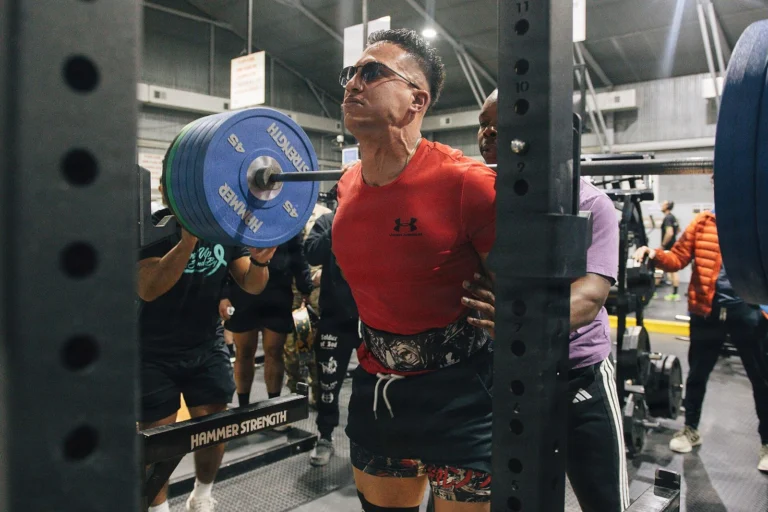
Low-bar squatters usually don’t need a heel. The low-bar style leans your torso forward on purpose and most lifters prefer a flat shoe for it. If you compete, check whether squat shoes are allowed in powerlifting in your federation before you buy anything.
Deadlifts are a clear no. A raised heel tips you forward and slightly lengthens the pull, and Science for Sport points out that going barefoot shortens the distance the bar travels. Flat, thin shoes are better; our deadlift shoe guide has options.
Casual gym-goers who squat once a week, run on the treadmill and do machines? Skip them for now. A firm, flat trainer handles all of that, and you’d be paying for a shoe you’d wear for ten minutes per session.
Are weightlifting shoes worth it? The cost math
Entry-level lifters like the Reebok Lifter PR III and Nike Savaleos typically sell for about $80 to $125. Flagships like the Nike Romaleos 4 and TYR L-2 run roughly $200 to $225. Check Amazon for current prices, since they move around a lot.
Here’s how I think about it. Say you buy a $120 pair and squat or lift in them three times a week. Over three years that’s roughly 470 sessions, or about 25 cents each. And since you’re not pounding miles in them, I’d expect a pair to last longer than your running shoes do. If the plate test showed a real difference, that’s cheap. If it didn’t, any price is too much.
My advice for beginners: don’t start with a $200 flagship. A 15 mm budget lifter is enough to find out whether a heel helps you. Our budget weightlifting shoe picks are a good place to start, and you can step up to a 20 mm shoe from our best weightlifting shoes list later if you get serious about the Olympic lifts.
Cheaper ways to get the same effect
Not ready to buy? There are a few stopgaps. A slant board or a pair of small plates works for goblet squats and light warm-ups. A hard, flat sneaker beats a squishy running shoe for any heavy lifting, even without a heel. And ankle mobility work can help over time, though it’s slow and won’t replace a heel for a full-depth snatch.
What I wouldn’t do is keep squatting heavy in thick-cushioned running shoes. Foam compresses unevenly under a loaded bar, so you get the wobble without any of the heel’s benefit. If you do buy a pair, our guide on how tight weightlifting shoes should be will save you a return.
FAQ
Do I need squat shoes to squat?
No. Plenty of people squat well in flat shoes or socks. Squat shoes help mainly if your heels lift or your chest drops at depth, especially in high-bar and front squats.
Are weightlifting shoes worth it for beginners?
Only if a heel clearly helps your squat. Test with small plates under your heels first; if it helps, a 15 mm budget pair for about $100 to $125 is worth it.
Do weightlifting shoes make a difference?
Yes, to your joint angles: studies show less ankle bend and more knee bend in lifting shoes. Whether that improves your squat depends on your ankle mobility and experience.
Can I deadlift in weightlifting shoes?
You can, but you shouldn’t. The raised heel tips you forward and slightly lengthens the pull, so flat, thin shoes or socks are better for deadlifts.
Do weightlifting shoes prevent back injuries?
There’s no good evidence they do. Lee and colleagues found no meaningful change in trunk angle or back muscle activity in recreational lifters, so treat them as a performance tool.
Sources
- Legg et al. (2016), The effect of weightlifting shoes on the kinetics and kinematics of the back squat, Journal of Sports Sciences (author post-print)
- UNLV: student research study challenges weightlifting shoe claim (Lee et al., 2019, JSCR)
- Lee et al. (2019) record in the UNLV repository
- Science for Sport: weightlifting shoes, are they really needed?